

How to Get Your Garden Ready For Summer
As the days grow longer and the temperature begins to rise, it's time to start thinking about getting your garden ready for the vibrant season ahead. With a little planning and effort, you can ensure that your garden thrives during the summer months, providing you with a beautiful outdoor space to enjoy. From cleaning up winter debris to planting colourful blooms, here's a comprehensive guide on how to get your garden ready for summer.
1. Assess and Clean Up
Begin by assessing your garden to understand what survived winter and what needs attention. Remove fallen leaves, broken branches, and dead plants to reduce pests and disease. Clean garden beds, paths, and containers to create a tidy, healthy environment. This early garden clean-up improves airflow, reveals problem areas, and is a crucial first step to get your garden ready for summer.
2. Soil Preparation
Proper soil preparation is key to a thriving summer garden. Start by loosening compacted soil to improve drainage and root growth. Mix in compost or well-rotted organic matter to boost nutrients and soil structure. Testing soil pH can also help you choose the right plants. Healthy, well-prepared soil supports stronger plants, better yields, and long-lasting summer garden success.
3. Plan Your Plantings
Planning your plantings helps you make the most of your garden space. Consider sunlight, soil type, and watering needs when choosing plants. Group plants with similar requirements together and plan staggered planting times for continuous colour or harvests. Thoughtful garden planning reduces overcrowding, improves plant health, and ensures a balanced, visually appealing garden throughout the summer months.
4. Plant Summer Annuals and Vegetables
Once temperatures rise, it’s time to plant summer annuals and vegetables. Choose warm-season favourites like tomatoes, peppers, courgettes, and colourful annual flowers. Follow recommended spacing to promote airflow and reduce disease risk. Water thoroughly after planting to help roots establish. Adding seasonal plants not only boosts productivity but also brings vibrant colour and life to your summer garden.
5. Mulch and Weed Control
Mulching is an effective way to protect and nourish your garden during summer. Apply organic mulch around plants to retain moisture, regulate soil temperature, and suppress weeds. This reduces watering needs and prevents weeds from competing for nutrients. Regular weed control keeps garden beds tidy and ensures your plants can thrive, making summer garden maintenance far more manageable.
6. Maintain Your Garden
Consistent garden maintenance keeps everything looking healthy and productive. Water deeply during dry periods, focusing on plant roots rather than leaves. Deadhead flowers to encourage new blooms and prune plants as needed to maintain shape. Regularly check for pests or disease and act early. Ongoing maintenance helps your garden flourish and stay enjoyable all summer long.

By following these steps to prepare your garden for summer and enjoy outdoor living, you can create a lush and vibrant outdoor space that will bring you joy throughout the season. With careful planning, proper soil preparation, and regular maintenance, your garden will flourish and provide you with an abundance of beauty and bounty to enjoy all summer long.
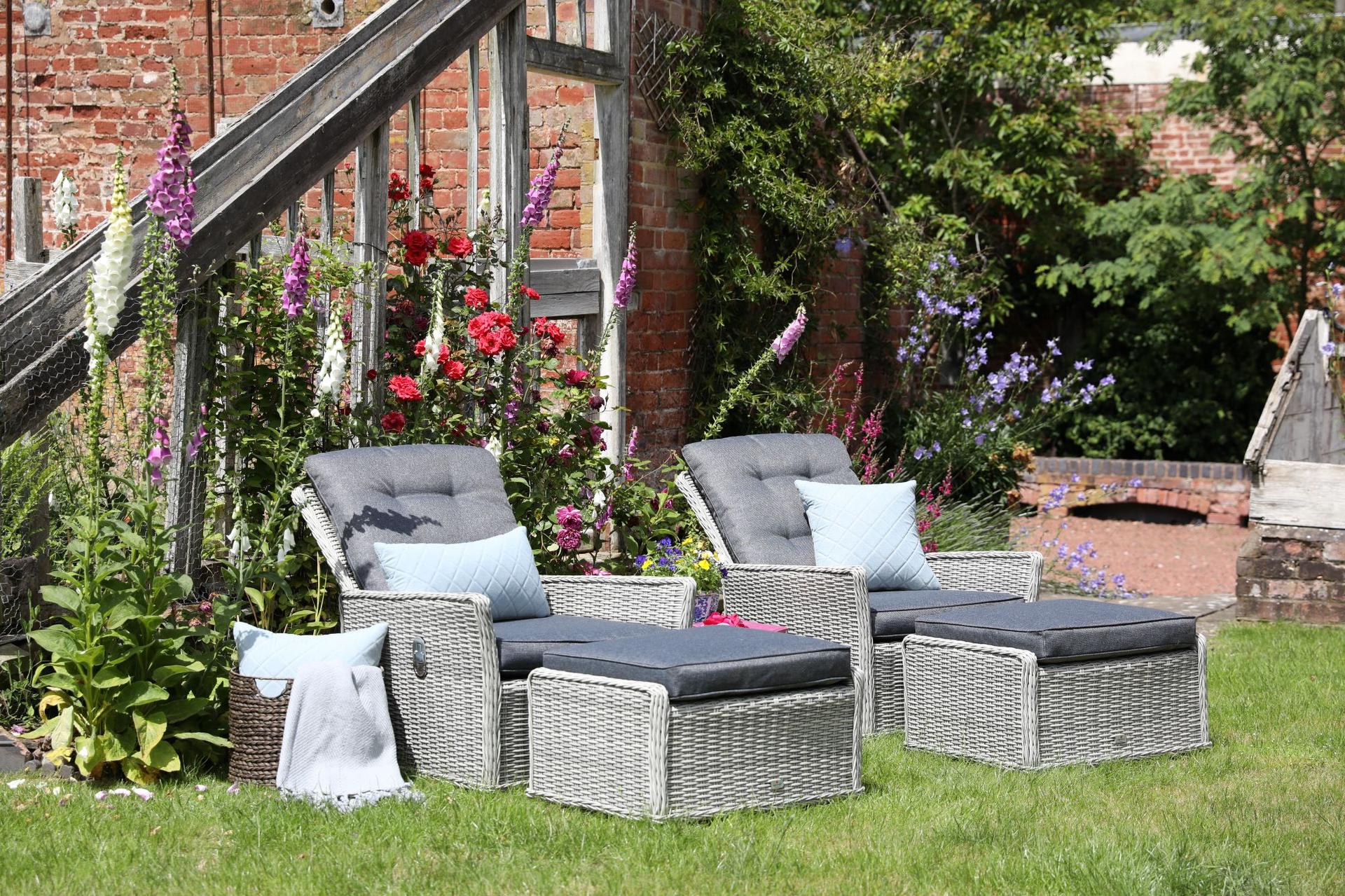
To complete your outdoor space, consider adding comfortable, well-designed garden furniture from Caseys Furniture, helping you relax and make the most of every sunny day. So roll up your sleeves, dig in the dirt, and get ready to reap the rewards of your hard work in the months to come!

FAQs
When should I start preparing my garden for summer?
Garden preparation should begin in early spring, once the risk of frost has passed. This allows time for soil preparation, garden setup, and planning your planting schedule. Starting early helps plants establish strong roots and follow a healthy grow a garden timeline leading into summer.
How do I prepare a garden bed for planting?
Preparing a garden bed for planting involves clearing weeds, loosening the soil, and adding compost or organic matter. This improves drainage, nutrient levels, and root growth. Proper garden bed preparation creates the ideal foundation for planting in the ground and long-term garden success.
Is it better to plant in the ground or use raised beds?
Planting in the ground works well if your soil drains properly and receives enough sunlight. It allows roots to grow deeper and reduces watering needs. Raised beds can be useful for poor soil conditions, but well-prepared ground soil is ideal for many summer garden plants.
How do I start a garden from scratch?
Starting a garden from scratch begins with choosing a sunny location and improving the soil. Remove grass or weeds, prepare the garden bed, and plan your layout before planting. Thoughtful garden setup and soil preparation make plant installation easier and help new gardens thrive throughout summer.
What does plant installation involve?
Plant installation includes placing plants at the correct depth, spacing them properly, and watering thoroughly after planting. Whether planting in the ground or beds, careful installation reduces stress on plants and encourages healthy root development for a more successful summer garden.
How can I maintain my garden during summer?
Maintaining a summer garden involves regular watering, mulching, and weed control. Check plants for pests, deadhead flowers, and adjust watering during heatwaves. Ongoing garden preparation and care help your garden stay healthy, vibrant, and productive throughout the summer months.